

Facebook can pay creators, but the mechanics are less about tricks and more about clear strategy. Growth that lasts comes from understanding how the platform chooses who sees your posts, what signals it rewards, and how to behave like a creator instead of a consumer. This guide walks through the things that actually matter, myths to ignore, and a simple plan you can use to start turning content into income.
Why most advice feels good but fails
Shortcuts like follow-for-follow or mass engagement pods might produce a spike, but they also train the algorithm to treat your content like a closed loop. That works temporarily for reach inside the group of people who already follow you — and it keeps your posts trapped there. Long-term growth needs genuine reach to new audiences, not manufactured likes.
What the algorithm actually rewards
- Watch time — how long people watch your videos.
- Replays and partial re-watches — people returning to a short signals value.
- Shares and tags — when followers bring non-followers into the post, it signals wider interest.
- People coming back — repeat viewers who tune in to multiple posts from you.
- Real connections — meaningful comments and conversations on your own posts.
Clear quote to remember
“If you’re talking to everybody, you’re not really talking to anyone.”
Find a niche that actually helps you grow
The idea that “you don’t need a niche” is common, but misleading. Highly successful creators are known for something specific — a persona, a subject, or a repeatable format. Niches help the algorithm figure out who to send your content to.
Two practical ways to pick or refine a niche:
- Business-driven: If you have a service or product, make content that solves problems for your ideal clients. Think: what questions do they ask? What results do they want?
- Personal-driven: For personal pages, look at what people already tag you in or ask you about. Lean into that persona — the parts of you that make people say, “That’s so them.”
Stop follow-for-follow and engagement trading
Trade-structured engagement creates a tight circle. Your posts will circulate inside that circle and never reach new people. Meta detects this pattern as inauthentic behavior and will reduce distribution or apply penalties.
What to do instead:
- Engage with your audience on your own posts — reply there instead of going to their pages to reciprocate.
- Interact a little (not a flood) with creators and groups that represent your target audience to adjust your newsfeed organically.
- Aim for shareable content that brings non-followers into your posts.
How to fix your algorithm after bad engagement tactics
If your reach collapsed after following a growth hack, don’t do mass, frantic actions to “fix” it. Normal user behavior is the safest reset. Try these steady steps:
- Post content that encourages tags and shares from your current followers.
- Invite people who liked or commented on a shared post to follow your page (there are invite options you can use).
- Engage authentically on your own posts and keep publishing consistently — not robotically, but regularly.
- Slowly follow creators and accounts that represent your actual target audience. A few genuine follows are better than hundreds at once.
Where engagement counts: pages vs groups
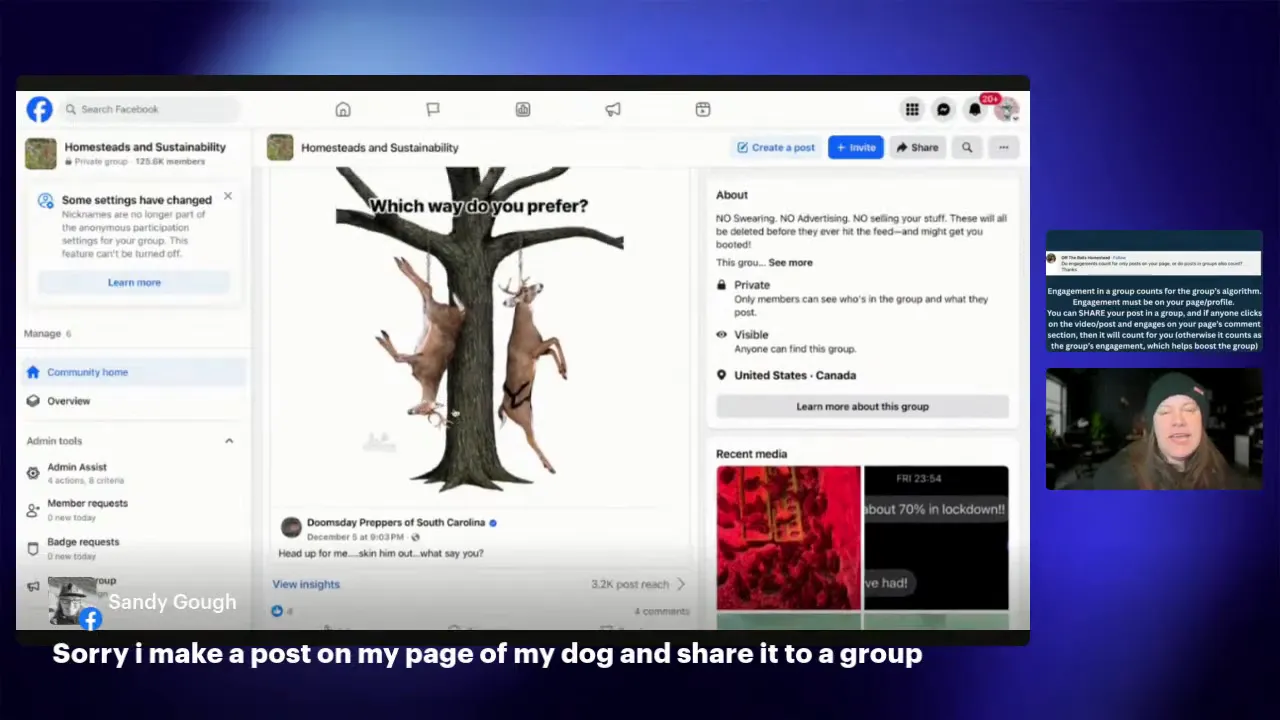
Comments and reactions that happen inside a public or private group help the group’s distribution. Engagement on the original post (on your page or profile) counts toward that page’s performance. If you share a post into a group, the group’s comments stay with the group unless users click through and engage on the original post.
What types of content earn money
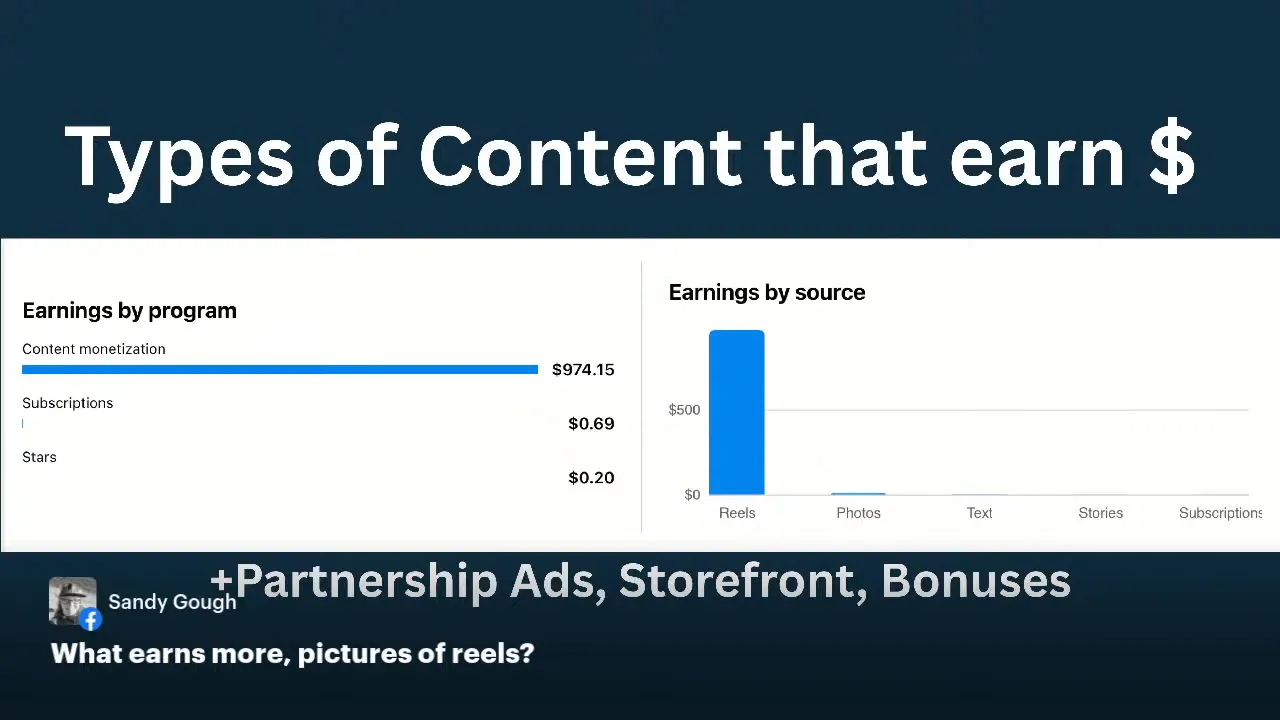
Different content types can earn, but patterns vary by creator and niche. Reels (short-form videos) are often the top earner because they drive watch time and shares. Photos, stories, and text posts can contribute but typically earn less unless they create strong engagement or lead to deeper actions (clicks to a product, purchase, or subscription).
Common monetization sources to consider:
- Short-form content revenue — payment for videos that meet platform criteria.
- Subscriptions — monthly supporters for exclusive content.
- Stars and tips — small payments from fans during lives or posts.
- Partnership ads and bonuses — platform-driven promotions and bonus programs.
- Affiliate marketing — links to products that pay commissions.
- Sponsorships and product swaps — paid reviews or free gear in exchange for coverage.
How to pitch brands
- Find products that fit your niche and audience.
- Send a short pitch: who you are, the content idea, and the audience you reach.
- Include basic metrics: typical views, engagement rate, and sample placements.
- Offer clear deliverables: a short review, a series of posts, or a product-unboxing.
Taxes: realistic guardrails
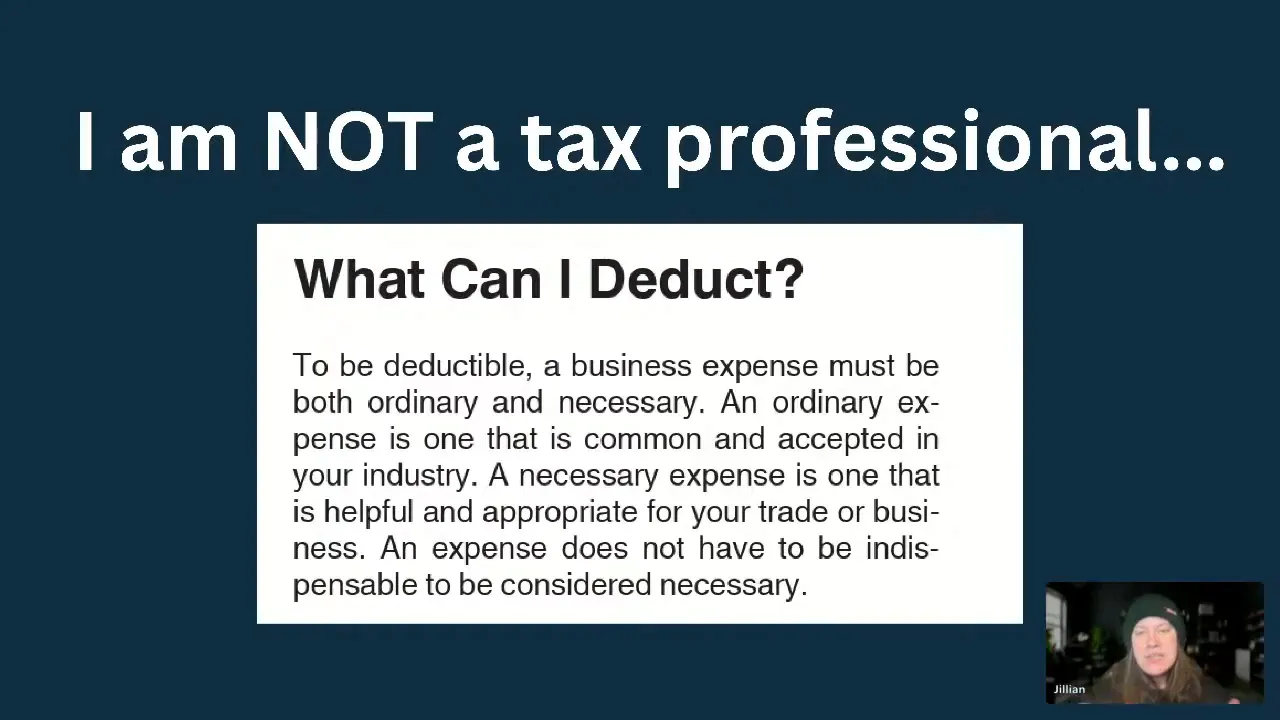
A quick reality check: deductions must be ordinary and necessary for your business. You cannot claim personal vacations as business expenses just because you filmed one short promo. Practical tax tips (remember- I am not a tax professional, and this is not tax advice. Please consult your tax professional, this is just what I do)
- Set aside about 30% of income for taxes until you get specific advice from a professional.
- Common deductible items often include a portion of your home utilities for a home office, certain equipment (cameras, mics), and business mileage for work trips.
- Keep receipts and consult a tax professional before claiming anything questionable.
Activity limits and “Facebook jail”
High activity levels that look robotic — mass following, sending hundreds of messages, or non-stop commenting — trigger temporary limits. Normal user behavior is the safest approach. If a post goes viral, reply selectively and prioritize public replies on the post rather than private mass outreach.
Practical 10-step action plan
- Decide your audience and define a specific niche or persona.
- Audit recent activity: stop any follow-for-follow or mass-engagement tactics.
- Post short-form videos (reels) designed for shares and tags.
- Encourage comments and tag-a-friend actions that bring in new users.
- Engage back on your own posts only; avoid reciprocating by visiting dozens of profiles to comment.
- Join a few high-quality groups related to your niche and participate like a normal user.
- Collect and document simple metrics: average reel views, shares, and follower growth.
- Pitch one small brand or affiliate that aligns with your content.
- Set aside 30% of earnings and talk to an accountant about deductions.
- Keep learning and iterate: measure what works and do more of that.
Real-world ways creators make money
- Local or service businesses get clients through posts and group shares.
- Creators earn affiliate revenue by recommending tools or products that match their audience.
- Product reviews, sponsored posts, and occasional bonus programs add extra revenue.
- Physical trades: product in exchange for exposure still works for many niche creators.
Final thoughts
Facebook monetization is less about hacks and more about behavior: treat the platform like a place where you build repeat relationships and earn attention from people who weren’t following you yesterday. Focus on shareable content, a clear niche, authentic engagement on your posts, and steady, normal activity. That formula scales much better than gaming one part of the system.
Start with the checklist, pick one content format to test for 30 days, and measure results. Small, deliberate changes beat frantic shortcuts every time.
Leave a Reply