Introduction – Why Project-Based Learning Matters
Are your online lessons feeling stagnant? Are your students disengaged, staring at slides instead of actively participating? It’s time to shake things up with project-based learning (PBL)!
Brenda, an experienced online teacher, has perfected the art of integrating hands-on and interactive activities into her lessons. Rather than relying solely on slides, she uses project-based learning to make lessons more engaging, interactive, and effective.
In this post, we’ll explore what project-based learning is, why it’s effective, and how you can use it in your online classroom to transform student engagement.
What is Project-Based Learning?
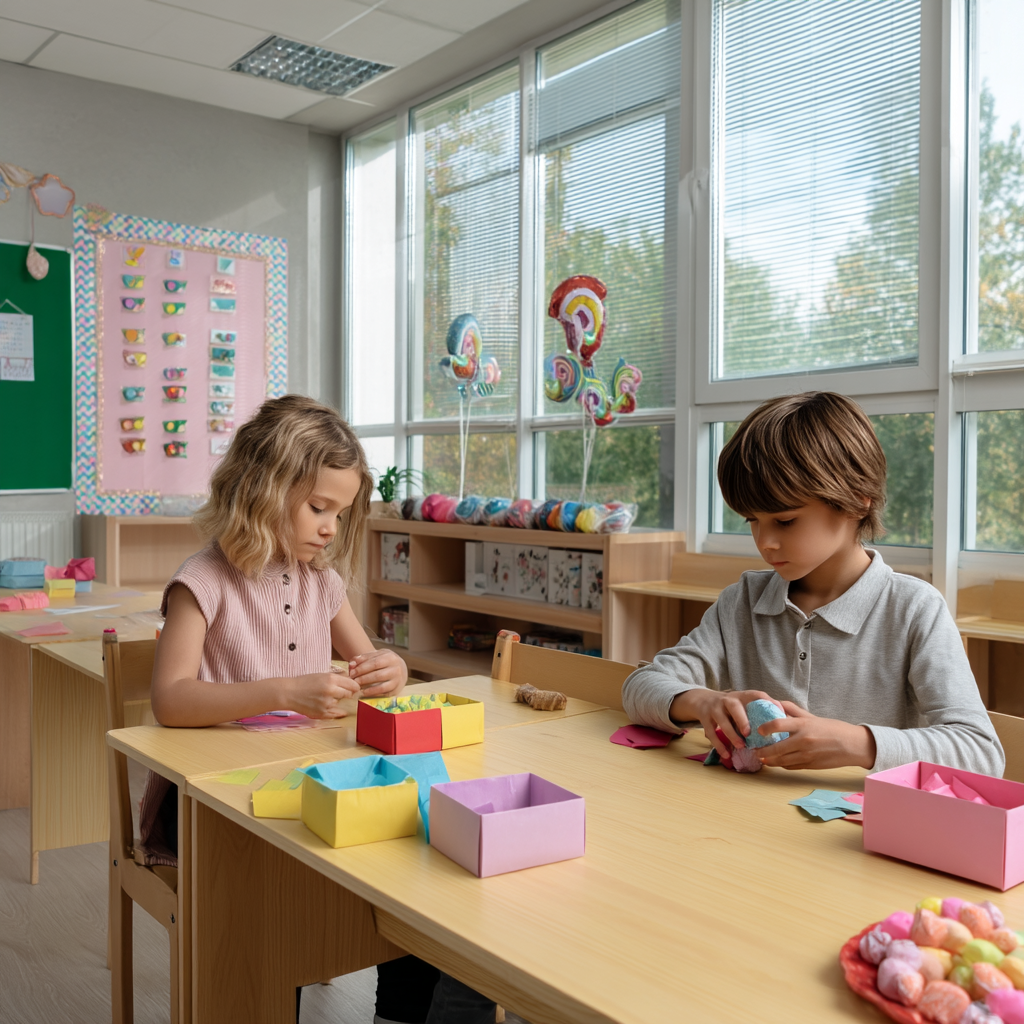
Project-based learning is an inquiry-based approach where students engage in hands-on activities that help them apply their learning to real-world situations. Instead of just consuming information, students create, collaborate, and solve problems.
Key Elements of PBL:
- Hands-on, inquiry-based learning
- Application to real-life scenarios
- Encourages creativity, problem-solving, and critical thinking
- Works for both one-on-one and group lessons
- Fosters collaboration in a virtual setting
Instead of simply reading a lesson, students actively build and explore concepts through interactive experiences.
The Benefits of Project-Based Learning for Online Teachers
Why should online teachers embrace PBL? Here’s what makes it a game-changer:
✅ Increases Engagement – Students are excited to participate rather than passively listening.
✅ Boosts Retention – Hands-on activities help students remember lessons better.
✅ Encourages Creativity – Students get to create, experiment, and problem-solve.
✅ Develops Collaboration Skills – Even in online group classes, PBL builds teamwork and social interaction.
✅ Can Be Adapted to Any Subject – From writing and ESL to science and math, PBL enhances any lesson.
✅ Keeps Learning Fun – Students love learning when they get to build, create, and play!

How to Implement Project-Based Learning in Your Classroom
PBL follows four key phases:
- Inquiry Phase – Students ask questions and activate their thinking.
- Exploration Phase – Students engage with the lesson content through interactive activities.
- Creation Phase – Students apply what they’ve learned through hands-on projects.
- Reflection Phase – Students present their work, discuss their process, and reflect on what they’ve learned.
For example, in a writing lesson, students could:
- Brainstorm story ideas (Inquiry)
- Plan and outline their story (Exploration)
- Write their story and illustrate it (Creation)
- Read their work to classmates and get feedback (Reflection)
Practical Strategies for Online Teachers
🔹 Use Digital Tools: Google Slides, Canva, and online whiteboards can help facilitate projects virtually.
Young Learners Curriculum is strategically designed with Project Based Learning in mind!
🔹 Break Projects into Steps: Avoid overwhelming students by dividing projects into manageable phases.
🔹 Encourage Collaboration: Use breakout rooms for group projects and discussions.
🔹 Give Students Choice: Let students choose between different project types (writing, art, presentations, etc.).
🔹 Focus on the Process, Not Perfection: The goal is creativity and engagement, not just polished results!

Examples of Project-Based Learning Activities
Here are some fun, easy-to-implement project ideas for different age groups:
Young Learners (Ages 3-6):
- My Favorite Animal Project – Draw, craft, or build an animal out of household items.
- Build a Dream House – Use blocks, paper, or found objects to create a mini house.
- Healthy Habits Collage – Make a visual collage of healthy foods and daily routines.
Elementary & Middle School:
- Creative Writing Projects – Have students write and illustrate their own short stories.
- STEM Challenges – Design and build paper airplanes or simple machines.
- Virtual Field Trips – Use online resources to explore historical landmarks and report back.
Teen & Advanced Learners:
- Mock Business Pitches – Students create and present business ideas in Shark Tank-style.
- Podcasting or Video Projects – Have students record short videos on a topic they researched.
- Problem-Solving Challenges – Give students real-world problems and have them propose creative solutions.
Conclusion – Making Learning More Engaging
Project-based learning transforms online classrooms by making lessons more engaging, meaningful, and interactive. Whether you teach ESL, writing, STEM, or humanities, PBL provides a framework for creativity, exploration, and fun.
If you’ve been looking for ways to make your lessons more dynamic, give project-based learning a try. Your students will thank you!
Call to Action – Try It in Your Classroom!
Want more inspiration? Join our Facebook community where teachers share PBL ideas, lesson plans, and success stories.
And check out this video where we talk to Brenda from Young Learners Curriculum!
💡 Have you used project-based learning in your online classroom? Share your favorite activities in the comments below!
Leave a Reply