

Introduction
You’ve poured your heart into your lessons, your units are airtight, and your teaching is on point… but your curriculum isn’t flying off the virtual shelves. It’s not that parents don’t want to buy curriculum—they just haven’t found one they trust. And in today’s market, trust is everything.
This post will show you exactly how to create a curriculum that parents feel confident purchasing—because it checks all the boxes they care about.
What Parents Are Actually Looking For
Parents aren’t looking for academic fluff. They’re buying for one of these reasons:
- Their child is behind and they want to catch them up
- Their child is ahead and they want to keep them challenged
- They want consistent, structured learning they don’t have to plan
- They want their child to feel successful and confident
- They want the peace of mind that they’re doing the right thing
Every decision they make is tied to outcomes, clarity, and trust. If your curriculum helps them solve a real problem, that’s your hook.
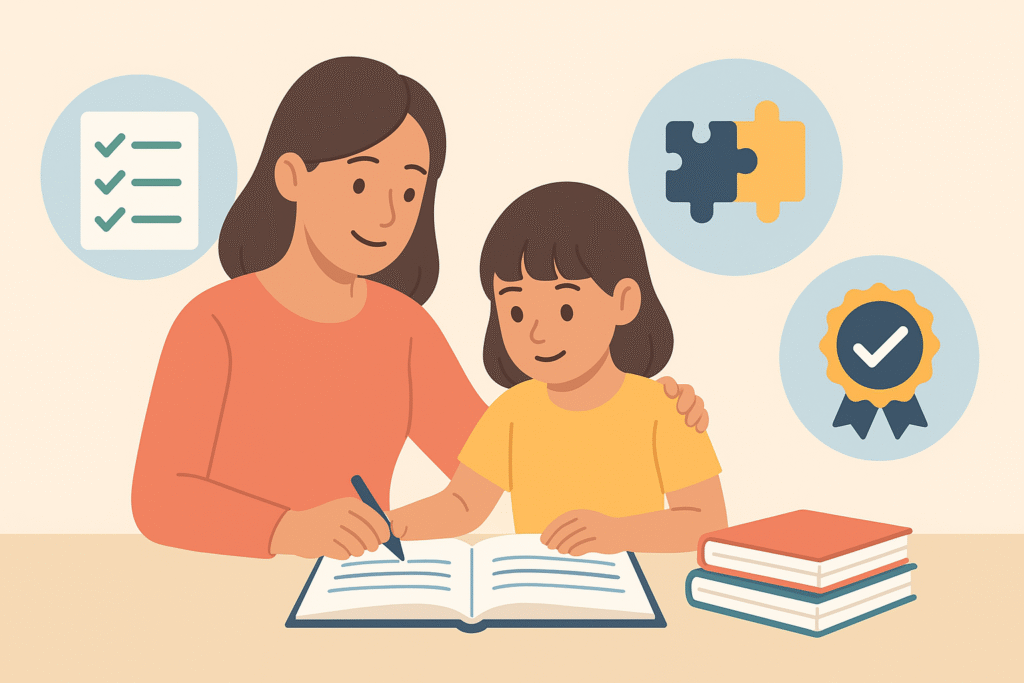
The Mistake Most Teachers Make
Most teacher-created curricula are too focused on what it includes and not what it solves.
It’s not about “10 pages of worksheets” or “3 units with slides.”
It’s about:
✅ Your child will write a full paragraph on their own
✅ Your child will be reading 5-letter words confidently by lesson 8
✅ You’ll finally stop worrying about gaps
When you lead with features, parents glaze over. When you lead with results, they lean in.
Packaging Your Curriculum to Feel “Parent-Proof”
Your curriculum might be fantastic—but if it looks messy or confusing, parents won’t buy it. Here’s how to package it professionally:
- Branded Slides & PDFs: Use clean, kid-friendly visuals with a consistent font and color palette
- Clear Navigation: Organize by units or weeks, with a visual overview
- Easy-to-Follow Instructions: Assume the parent is not a teacher—write directions in plain language
- Demo Video or Sample Preview: Let them see what they’re getting before they commit
✨ Pro Tip: Use a tool like Genially or Book Creator to make your curriculum interactive and visually appealing.
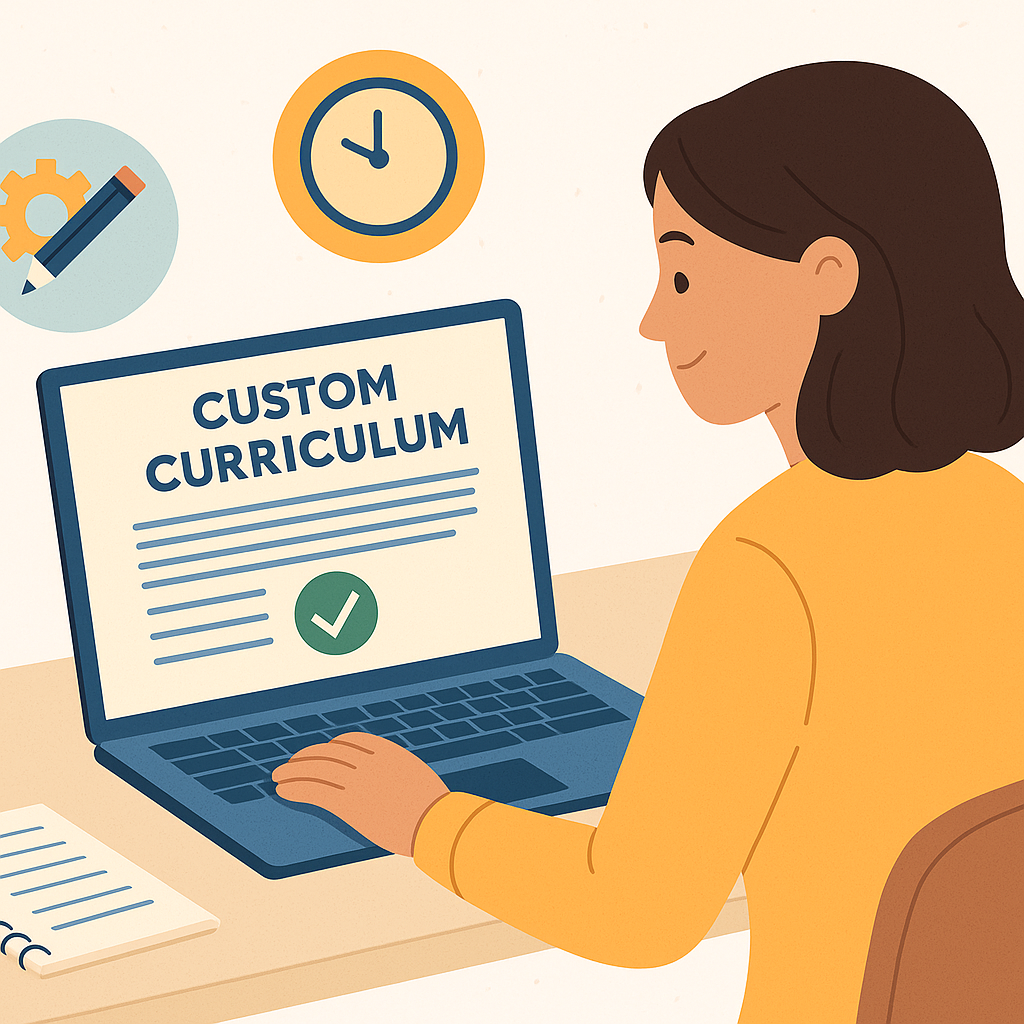
How to Build Trust Before the Sale
Parents don’t buy from strangers—they buy from people they trust. Build that relationship before you pitch:
- Share student success stories or parent testimonials
- Show behind-the-scenes glimpses of your lesson creation
- Offer a free sample or trial lesson
- Go live or post tips that show your expertise and personality
The more familiar you feel, the easier it is for parents to say “yes.”
Not Starting from Scratch: Curriculums You Can Buy
Creating from scratch isn’t always necessary. In fact, many successful teachers start with a ready-made curriculum and customize it for their students. This saves time and allows you to focus on teaching and marketing.
Here are a few top-quality curriculum options you can purchase and use:
- Teachers Together English – Professionally designed curriculum for ESL and ELA teachers
- Abridge Academy – Interactive lessons for online teachers working with young learners
- Young Learners Curriculum – Pre-built curriculum perfect for independent teachers and homeschoolers
These can be used as-is or modified to match your brand and style.
Pricing That Feels Worth It
Price isn’t the biggest barrier—value is.
If a parent sees your curriculum as the solution to their child’s struggles, $30, $50, or even $100 isn’t too much.
To boost perceived value:
- Add a bonus (e.g., parent cheat sheet, flashcards, video walkthrough)
- Create a bundle discount for multiple subjects or levels
- Emphasize how it saves them time, stress, or tutoring costs
Conclusion
If your curriculum isn’t selling, don’t assume it’s because no one wants it. Parents are actively searching for help—they just need to feel confident they’ve found the right one.
You can stand out by:
✔ Showing the results you help kids get
✔ Making it easy for parents to use
✔ Building trust before you pitch
What’s Next?
Need help turning your lessons into a classes that actually sell? Join Teacher Boss Society and get hands-on support, templates, and trainings from teachers who’ve done it.
Or check out these posts next:
- How to Price Your Teaching Offers Without Feeling Weird About It
- Stop Creating Resources That Don’t Sell: What to Do Instead
- How I’d Start My Online Teaching Business from Scratch in 2025
- 10 Things I Wish I Knew When I Started Teaching Online
- 5 Lesson Planning Hacks: Save Time While Keeping Kids Engaged
- 6 Essential Steps for ESL Teachers to Teach Students Independently
Leave a Reply