

Introduction
Dreaming of turning your expertise into a thriving online teaching business—but not sure where to begin? You’re in the right place. In 2025, the online education market continues to explode, with parents and professionals seeking flexible, high-quality instruction more than ever. Whether you’re an experienced educator or a passionate subject-matter expert, launching from zero can feel daunting. This step-by-step guide breaks down the essential actions you need to take—no fluff, just a clear roadmap to your first paying students.
1. Choose Your Teaching Niche
Why it matters: Focusing on a specific audience helps you stand out in a crowded market and tailor your content to real needs.
- Identify your ideal student. Are you teaching young learners ESL, high-school math, professional development, or creative writing?
- Assess market demand. Use quick surveys or browse platforms like Outschool, Preply, or VIPKid to see which subjects are trending.
- Validate with a pilot. Offer a free or low-cost mini-class to friends or social-media followers. Collect feedback on what resonated most.
Pro tip: Niches like “Business English for Remote Teams” or “SAT Writing Mastery” command premium rates. Tailor your niche to both your passion and market gaps.
2. Get Certified and Prepare Your Materials
Why it matters: Credentials build trust; organized materials save you prep time down the road.
- Choose the right certification. For ESL, consider TESOL or TEFL programs (many reputable ones are available online). For academic subjects, a teaching credential or university degree may suffice.
- Develop core documents. Create a syllabus, lesson-plan template, and assessment rubric. This sets clear expectations and showcases professionalism.
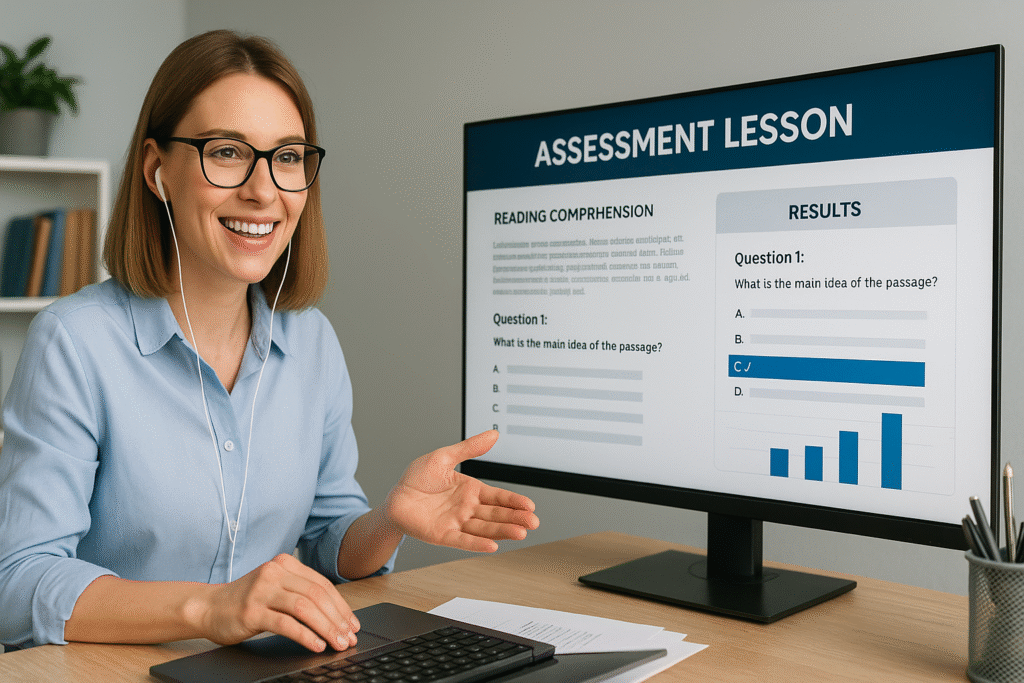
- Design your first assessment lesson. A 30- to 45-minute “proficiency check” helps you gauge each student’s level and upsell to a full package.
3. Set Up Your Tech and Platform
Why it matters: Smooth tech equals happy students and fewer headaches for you.
- Hardware essentials.
- Camera: 1080p webcam or DSLR with capture card
- Audio: USB condenser mic or headset with noise cancellation
- Lighting: Ring light or softbox to keep your face bright and clear
- Software and platforms.
- Video conferencing: Zoom or Google Meet for live classes
- Dedicated teaching platforms: Funclass or Koala Teachers as an alternative to Zoom
- Scheduling & payments: Stripe, PayPal, or another payment processor
- Backup & reliability.
- Always have a backup internet source (e.g., mobile hotspot)
- Use cloud-based lesson backups (Google Drive, Dropbox)

4. Create an Engaging Curriculum
Why it matters: Memorable lessons drive referrals and repeat bookings.
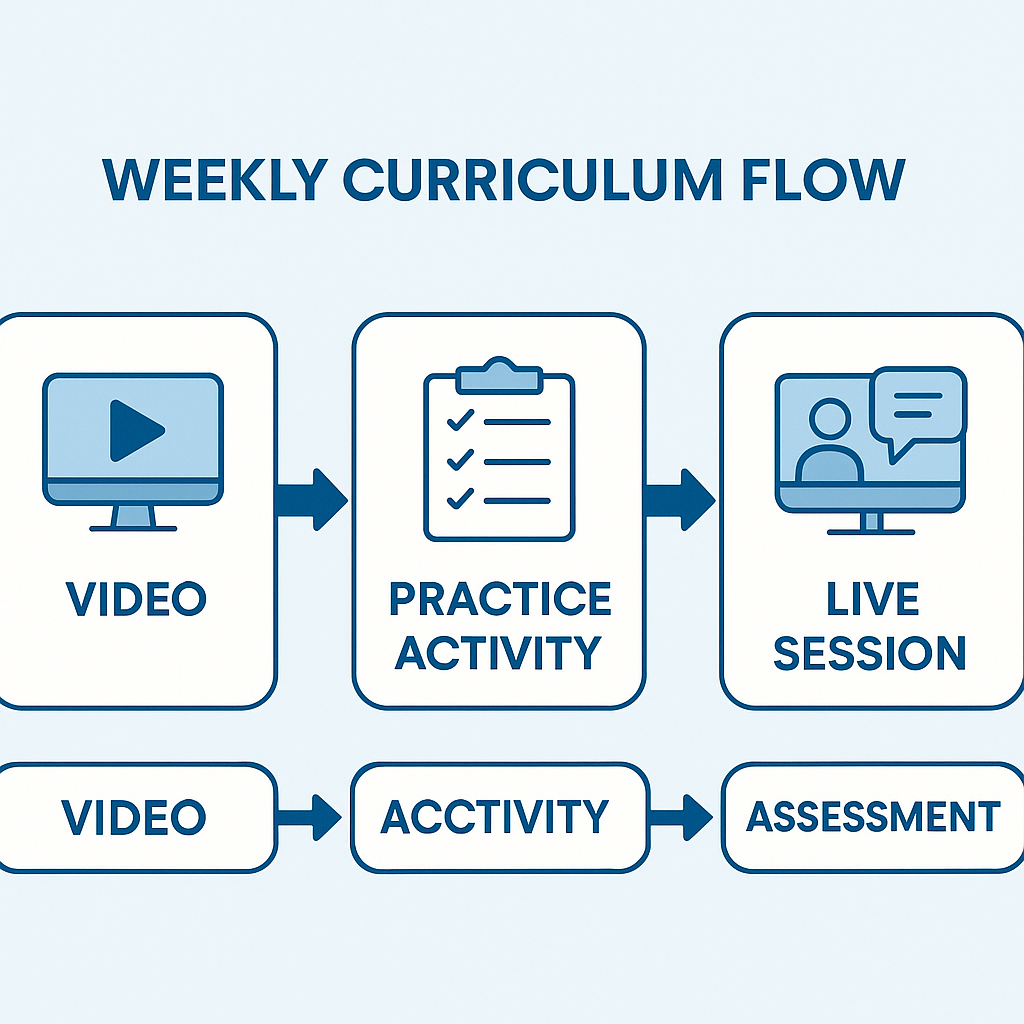
- Structure your modules. Break your course into 4–6 lessons, each with clear objectives (e.g., “Master the 12 Tenses in English”).
- Incorporate multimedia. Use short videos, interactive slides, and real-time quizzes to keep learners active.
- Apply differentiated instruction. Provide leveled worksheets or activities so each student progresses at the right pace.
- Plan assessments and feedback. Regular check-points (quizzes, oral presentations, writing assignments) maintain accountability.
- Use a pre-made curriculum: If you’d rather not create your own, consider these vetted affiliate options:
5. Build Your Brand and Online Presence
Why it matters: A cohesive brand attracts ideal students and supports premium pricing.
- Define your brand identity.
- Choose a memorable business name and logo (consider free tools like Canva).
- Develop a tagline that speaks to your transformation promise (e.g., “Fluent in 30 Days”).
- Optimize your website.
- Create a simple landing page with your bio, course offerings, and a “Book a Free Trial” CTA.
- Add a blog section using your existing template to drive organic traffic.
- Leverage social media.
- Share short teaching tips on TikTok/Reels.
- Host weekly Q&A Lives in your Facebook group or WeChat channel to build rapport.
- Lead magnet funnel.
- Offer a freebie (checklist, mini-eBook, or assessment quiz) in exchange for an email.
- Nurture your list with a 5-email welcome sequence—activate the Believability and Relatability switches by sharing your story and quick wins.
6. Market Organically Before Turning to Paid Ads
Why it matters: Organic traction proves your concept and saves ad budget for scaling.
- Content marketing. Publish 1–2 blog posts per week on topics like “5 Common ESL Mistakes” or “How to Nail Your First Online Lesson” (link back to your posts).
- Community engagement. Be active in Facebook groups for online teachers—give value, answer questions, and invite members to your free trial.
- Referral partnerships. Collaborate with complementary educators (e.g., a math tutor referring English learners) for mutual shout-outs.
- Email campaigns. Send monthly newsletters with student success stories and upcoming class slots.
Only once you’re filling 70–80% of your available spots organically should you consider a modest paid-ads experiment (start with $5–10/day on Facebook targeting parents or professionals in your niche).
7. Launch Your First Class and Enroll Students
Why it matters: A strong launch sets the tone for word-of-mouth growth and testimonials.
- Offer a “Founders’ Rate.” Give your first 5 students a special package (e.g., 20% off) in exchange for feedback and a testimonial.
- Collect and showcase social proof. Record short video testimonials or quotes for your landing page and social media.
- Refine your process. After each class, send a quick survey to collect insights on pacing, materials, and tech.
- Plan for scaling. Once you’ve proven demand, introduce group classes or a membership model—consider joining Teacher Boss Society to learn advanced enrollment strategies.
Conclusion
Starting an online teaching business in 2025 doesn’t require reinventing the wheel—just a clear plan and consistent action. From choosing the right niche and setting up your tech, to crafting an engaging curriculum and nurturing your first students, each step builds momentum. Follow this roadmap, adapt based on feedback, and you’ll transform your expertise into a sustainable, scalable business that changes lives.
What’s Next?
Ready to hit the ground running?
- Download the free Student Magnet System (free download) here: Student Magnet System.
- Join the Enroll and Grow challenge
- Check out these blog posts for more tips and inspiration:
Keep the momentum going, and here’s to your success as an online educator in 2025 and beyond!
Leave a Reply