
In today’s digital age, teaching English as a second language (ESL) online presents unique challenges and opportunities. This blog explores essential strategies for virtual teaching, drawn from insights by experienced ESL instructors. Whether you’re a seasoned teacher or new to online education, these tips will help enhance your teaching effectiveness and student engagement.
Teaching Online: Experience, Tips, Reviews
Teaching English online can be a fulfilling experience, but it requires adaptability and creativity. The virtual classroom is different from traditional settings, and teachers must learn to engage students effectively through digital platforms. Here are some essential tips for success in online teaching.
Engagement Strategies
One of the biggest challenges in online teaching is keeping students engaged. Use interactive tools like quizzes, games, and multimedia resources to create a dynamic learning environment. Incorporating visuals, videos, and real-world scenarios can make lessons more relatable and enjoyable.
Building Rapport
Establishing a connection with students is crucial. Start classes with casual conversations to make students feel comfortable. Ask about their interests, experiences, and feelings. This not only builds rapport but also helps you tailor lessons to their needs.
Utilizing Technology
Leverage technology to enhance your teaching. Use platforms that allow for video sharing, collaborative documents, and interactive whiteboards. Familiarize yourself with various educational tools to find what works best for you and your students.
Feedback and Assessment
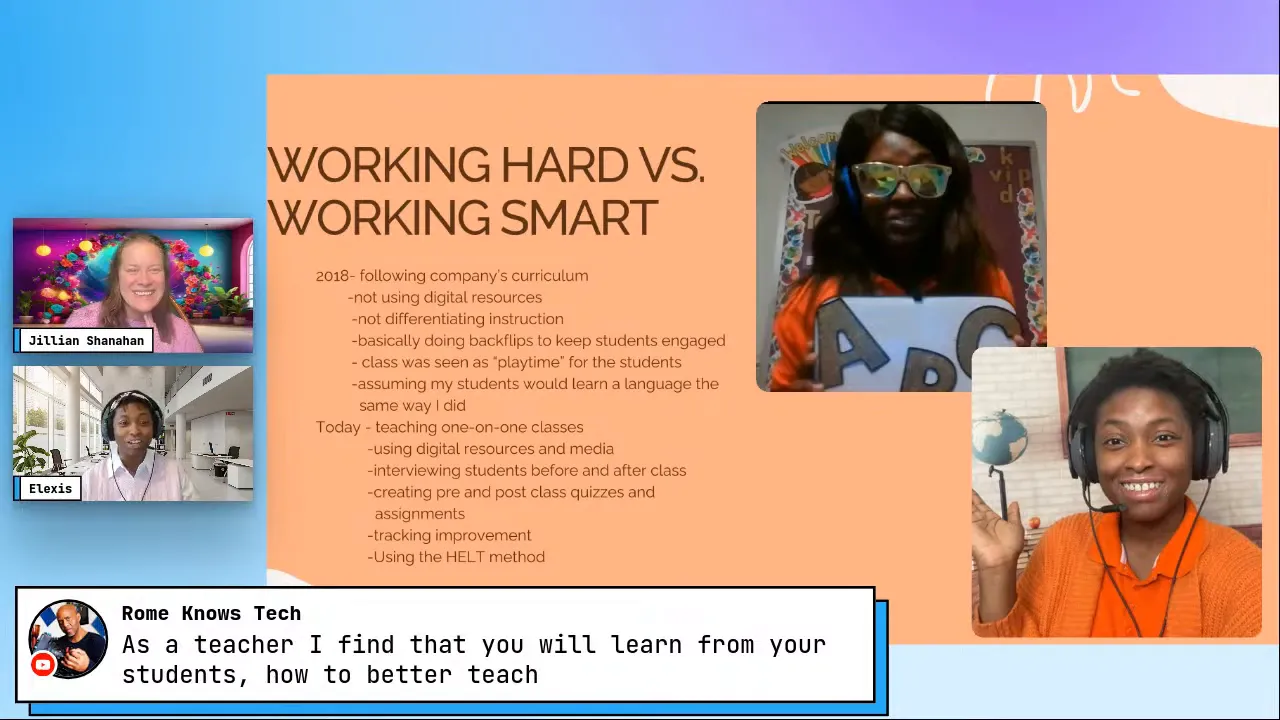
Regular feedback is essential in online learning. Implement pre and post-class quizzes to gauge student understanding and retention. Use this data to adjust your teaching strategies and provide personalized support where needed.
Continuous Learning
As an online educator, it’s important to engage in continuous professional development. Attend workshops, read relevant literature, and connect with other educators to share insights and strategies. This will help you stay informed about best practices and emerging trends in online education.
Differentiated Instruction for Virtual Teaching
Differentiated instruction is vital in online teaching, as students come with diverse backgrounds and learning styles. Here’s how to effectively implement it in a virtual classroom.
Understanding Learner Profiles
Begin by creating learner profiles that consider each student’s age, culture, personality, and learning goals. This information will guide your teaching strategies and help you meet individual needs.
Varied Teaching Methods
Utilize a variety of teaching methods to cater to different learning styles. Incorporate visual aids for visual learners, discussions for auditory learners, and hands-on activities for kinesthetic learners. This approach ensures that all students can engage with the material effectively.
Flexible Grouping
Group students flexibly based on their needs and proficiency levels. This allows them to learn from one another and provides opportunities for peer teaching. Encourage collaboration to enhance learning outcomes.
What is Rote Learning?
Rote learning is a memorization technique based on repetition. While it can be effective for certain types of information, it often lacks depth and understanding. In the context of language learning, rote memorization may lead to difficulties in practical application.
Limitations of Rote Learning
One major limitation of rote learning is that it does not promote critical thinking or problem-solving skills. Students may memorize vocabulary or grammar rules without understanding their context or usage, hindering their ability to communicate effectively.
Alternatives to Rote Learning
To foster deeper understanding, encourage students to engage with the material through discussions, projects, and real-life applications. This approach helps them connect concepts and enhances retention.
Working for a Company vs Working as a Freelance Teacher
Choosing between working for a company like VIPKID and freelancing as an ESL teacher involves weighing the pros and cons of each option.
Pros of Working for a company
- Structured curriculum and lesson plans provided.
- Consistent student base and scheduling.
- Access to training and resources from the company.
Cons of Working for working for a company
- Limited flexibility in teaching style and curriculum.
- Potentially lower pay compared to freelancing.
- Dependence on company policies and regulations.
Pros of Freelance Teaching
- Freedom to create your own curriculum and teaching style.
- Ability to set your own rates and schedule.
- Opportunity to build personal relationships with students.
Cons of Freelance Teaching
- Requires more effort in marketing and finding students.
- Inconsistent income and scheduling challenges.
- Less support and resources compared to established companies.
Holistic Approach to English Language Learning
A holistic approach to English language learning considers the emotional, social, and cognitive aspects of education. This method promotes a deeper connection to the language and supports overall learner development.
Integrating Emotional Learning
Incorporate emotional learning into your lessons by addressing students’ feelings and experiences related to language learning. Create a safe space for them to express their thoughts and challenges.
Real-World Applications
Connect lessons to real-world scenarios to make learning relevant. Use examples and activities that reflect students’ interests and everyday lives, enhancing their engagement and understanding.
Learning Styles of ESL Students
Understanding the different learning styles of ESL students is crucial for effective teaching. By recognizing these styles, you can tailor your lessons to meet diverse needs.
Visual Learners
Visual learners benefit from diagrams, charts, and videos. Incorporating visual elements into your lessons can help these students grasp concepts more easily.
Auditory Learners
Auditory learners excel with discussions, lectures, and audio materials. Encourage these students to engage in conversations and listen to recordings to enhance their learning experience.
Kinesthetic Learners
Kinesthetic learners thrive on hands-on activities. Incorporate games, role-playing, and interactive tasks to keep them engaged and facilitate learning.
What is a Learner Profile?
A learner profile is a personalized document that captures essential information about each student. It includes details such as strengths, challenges, learning preferences, and goals. By creating and utilizing learner profiles, educators can tailor their teaching approaches to meet the unique needs of each student.
Benefits of Creating Learner Profiles
- Enhanced Understanding: Knowing each student’s background and learning style allows teachers to adapt their methods accordingly.
- Improved Relationships: Taking the time to understand students fosters trust and rapport, making students feel valued and understood.
- Targeted Support: Identifying specific challenges helps educators provide focused assistance, ensuring that no student falls behind.
How to Create a Learner Profile
Creating a learner profile can be a collaborative project involving students. Here’s how to approach it:
- Conduct a conversation or survey to gather information about the student.
- Include details on learning preferences, strengths, and areas for improvement.
- Encourage students to share their goals and interests.
- Regularly update the profiles as students progress and evolve.
Diagnostic Tests and Methods for Online Teaching
Diagnostic tests are essential tools in online teaching. They help educators understand the current knowledge level of students and identify areas needing improvement.
Types of Diagnostic Tests
- Pre-Assessment: Administer tests at the beginning of a course or unit to gauge prior knowledge.
- Formative Assessments: Use quizzes and assignments throughout the course to monitor progress.
- Post-Assessment: Evaluate what students have learned at the end of a unit or course.
Methods for Gathering Information
In addition to tests, consider using the following methods to gather insights about your students:
- Surveys: Create surveys that allow students to self-assess their confidence and understanding of the material.
- Interviews: Conduct informal one-on-one discussions to delve deeper into students’ learning experiences and challenges.
- Observations: Pay attention to student interactions and participation during online sessions to identify strengths and weaknesses.
How Online Students Learn
Understanding how online students learn is crucial for effective teaching. Online learning environments differ significantly from traditional classrooms, which impacts student engagement and retention.
Key Aspects of Online Learning
- Self-Paced Learning: Many online students appreciate the ability to learn at their own pace, allowing for a more personalized experience.
- Interactive Tools: Utilizing interactive platforms and tools can enhance engagement and motivation.
- Real-World Applications: Connecting lessons to real-life situations makes learning more relevant and meaningful.
Challenges Faced by Online Learners
Online students often face unique challenges, including:
- Distractions: Learning from home can introduce various distractions that hinder focus.
- Isolation: The lack of face-to-face interaction may lead to feelings of isolation.
- Technical Issues: Students may encounter technical difficulties that disrupt their learning experience.
Making Curriculum for Your Online Student
Creating a curriculum tailored for online students involves understanding their needs and learning styles. A well-structured curriculum can significantly enhance the learning experience.
Strategies for Curriculum Development
- Integrate Technology: Use various technological tools to create engaging and interactive lessons.
- Diverse Learning Materials: Incorporate videos, articles, and interactive activities to cater to different learning styles.
- Flexible Assessment Methods: Allow students to demonstrate their knowledge in various ways, such as projects, presentations, or written assignments.
Real-World Connections
Linking curriculum content to real-world scenarios can enhance relevance and interest. Use current events, cultural topics, or personal student interests to make lessons more engaging.
Strategies for Holistic ESL Teaching
A holistic approach to ESL teaching considers emotional, social, and cognitive factors that impact learning. This method supports a more comprehensive understanding of language acquisition.
Key Strategies for Holistic Teaching
- Emotional Learning: Address students’ emotional needs and create a supportive learning environment.
- Collaborative Learning: Encourage group work and peer interactions to foster a sense of community.
- Differentiated Instruction: Tailor teaching methods to accommodate various learning styles and abilities.
Assessing Holistic Learning
To assess holistic learning, consider using varied assessment methods that capture a broader range of student skills and competencies. This can include portfolios, self-assessments, and peer reviews.
Leave a Reply