
This post may contain affiliate links, in which I may earn a small commission at no additional charge to you. Thank you for supporting our site!
Introduction to Teaching Writing Online
Teaching writing online to ESL students requires a unique approach that combines effective strategies with engaging content. The virtual classroom setting offers opportunities for creativity and personalized learning, but it also presents challenges in maintaining student engagement and providing meaningful feedback. As educators, we must adapt our teaching methods to foster an environment where students feel motivated to express themselves through writing.
One effective way to teach writing online is by incorporating collaborative projects. By allowing students to work together, they can share ideas and learn from each other. Platforms like Google Docs or shared whiteboards can facilitate real-time collaboration, making the writing process interactive and dynamic.
The Importance of Writing for ESL Learners
Writing is a critical skill for ESL learners, as it not only enhances language acquisition but also prepares students for standardized tests. According to research, students who engage in regular writing practice tend to perform better academically. A study conducted by the National Writing Project found that students who wrote more frequently demonstrated significant improvements in their writing and overall language skills.
For ESL learners, writing serves as a means to consolidate their knowledge of grammar, vocabulary, and sentence structure. It allows them to reflect on what they have learned and apply it in a structured manner. Furthermore, writing helps learners develop their critical thinking skills, as they must organize their thoughts coherently.
Average IELTS Test Scores by Section
source: PW.live
It’s typical for testers to struggle on their writing tasks, as most English as a Second Language Learners have not practiced their writing skills nearly as much as they practiced listening, speaking, and reading skills.
One way to help your students increase their scores is to incorporate writing into their lessons. Improving their lowest test score section can help raise their overall score.
Engagement Strategies for Online Writing Classes
Engagement is key to successful online writing classes. Here are several strategies to keep students motivated and involved:
- Interactive Writing Prompts: Use prompts that encourage creativity and personal connection. For instance, ask students to write about their favorite childhood memory or a dream they have.
- Peer Review Sessions: Organize peer review activities where students provide feedback on each other’s writing. This not only fosters a sense of community but also helps students learn to critique constructively.
- Use Technology: Incorporate tools like Padlet or Flipgrid to allow students to share their writing in a multimedia format. This can make the writing process more exciting and less daunting.
- Gamification: Introduce game-like elements into writing assignments. For example, create a writing challenge where students earn points for completing specific tasks.
This photo is from a tool called Book Creator. Book Creator is a free tool that I personally use in my ESL and ELA classes. You can check this video about how to use it here.
Overcoming Challenges in Teaching Writing
Teaching writing online comes with its own set of challenges. Here are some common obstacles and ways to overcome them:
- Lack of Engagement: If students seem disinterested, try varying your teaching methods. Incorporate multimedia resources or invite guest speakers to share their writing experiences.
- Feedback Overload: It can be overwhelming to provide detailed feedback on every assignment. Consider using rubrics to streamline your feedback process and focus on key areas for improvement.
- Technical Issues: Ensure that all students are familiar with the technology being used. Provide tutorials or resources to help them navigate the tools effectively.
Tools and Resources for Effective Writing Instruction
Utilizing the right tools can enhance the writing instruction process. Here are some recommended resources:
- Google Docs: Ideal for collaborative writing projects, allowing students to work together in real-time.
- Grammarly: A valuable tool for providing grammar and style suggestions, helping students improve their writing skills.
- Book Creator: This platform allows students to create digital books, showcasing their writing in a creative way.
- Padlet: A great tool for brainstorming and sharing ideas visually, making writing more interactive.
Structuring Your Writing Classes for Success
To maximize the effectiveness of your online writing classes, consider the following structural elements:
- Set Clear Objectives: Clearly outline the goals for each writing session, whether it’s improving grammar, expanding vocabulary, or developing storytelling skills.
- Incorporate Variety: Mix different types of writing assignments, such as creative writing, persuasive essays, and research papers to keep students engaged.
- Provide Regular Feedback: Schedule time for one-on-one feedback sessions to address individual student needs and encourage progress.
- Encourage Reflection: Have students reflect on their writing process and progress. This can help them identify areas for improvement and set personal goals.
Integrating Fun and Interactive Activities
Engaging students in writing can be significantly enhanced through fun and interactive activities. Incorporating games, multimedia resources, and creative prompts not only makes learning enjoyable but also fosters a deeper understanding of writing concepts. Here are some effective strategies to integrate fun into your writing classes:
1. Writing Games
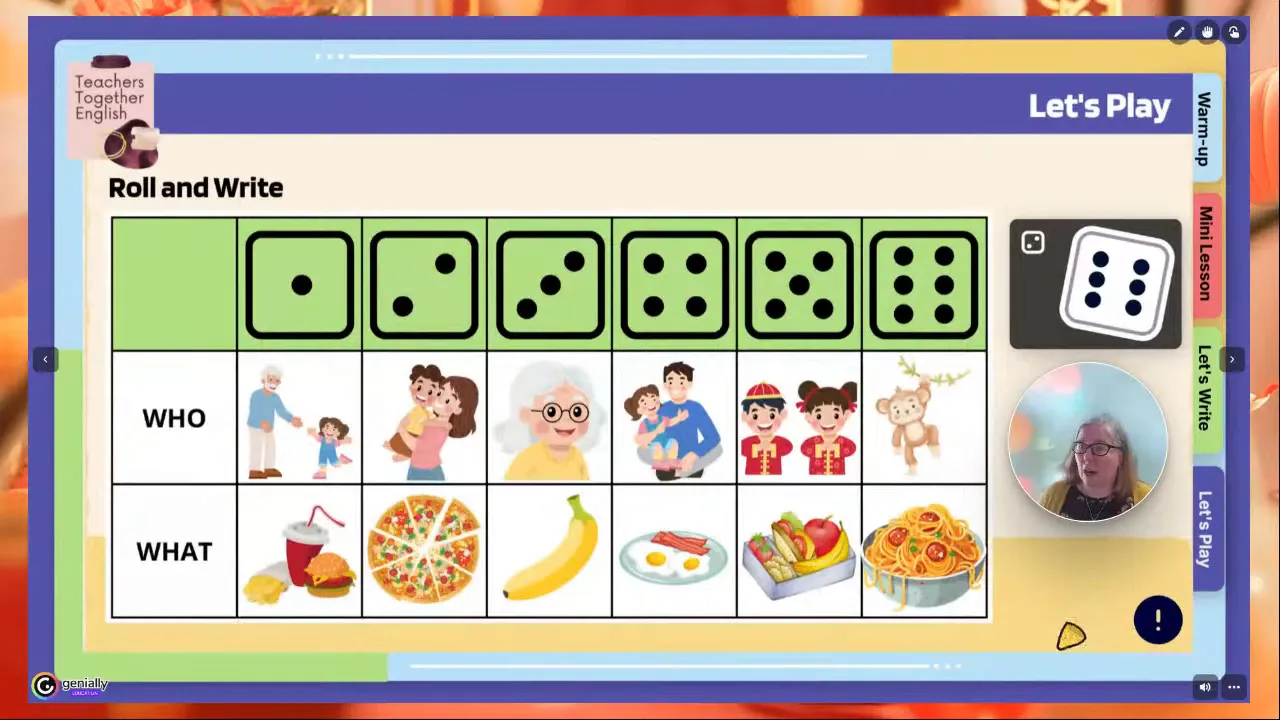
Games such as “Roll and Write” can energize the writing process. For instance, students can roll dice to determine elements of their story, such as characters and settings, which encourages creativity and spontaneity. This method allows students to think on their feet and develop their storytelling skills in a playful manner.
2. Collaborative Storytelling
Another engaging activity is collaborative storytelling. Students can take turns adding sentences to a story, either orally or in writing, which promotes teamwork and enhances their narrative skills. This activity can be conducted using platforms like Google Docs, where students can see each other’s contributions in real-time.
3. Multimedia Projects
Encouraging students to create multimedia presentations or digital books using tools like Book Creator can help them express their ideas more vividly. This approach not only develops their writing skills but also integrates technology, making the learning experience more dynamic.
4. Interactive Curriculum
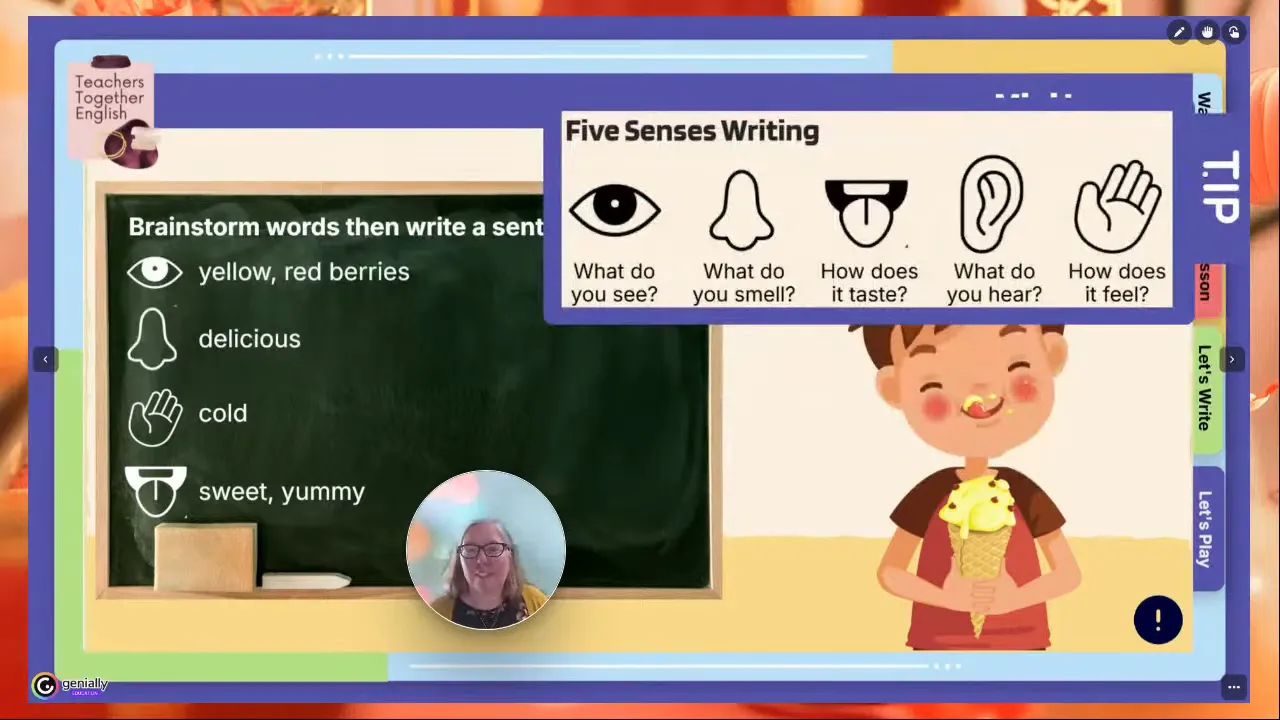
When teaching writing classes, especially to younger learners, sometimes you have to get creative. Staring at words on a screen isn’t nearly as fun for an elementary school student as using interactive and engaging curriculum. That’s why tools like the writing curriculum from Teachers Together English are perfect for students who need more than a pen and their imagination to keep them engaged.
Bonus points? It makes you look professional and put-together. You’re a professional teacher, right? Might as well have professional curriculum on your screen-share.
Feedback and Assessment in Writing
Providing constructive feedback is crucial in the writing process. It helps students understand their strengths and areas for improvement. Here are some strategies to enhance feedback and assessment:
1. Use Rubrics
Implementing rubrics can streamline the feedback process. A clear rubric sets expectations for students and allows them to understand how their writing will be evaluated. By focusing on key areas such as content, organization, and language use, students can receive targeted feedback that fosters growth.
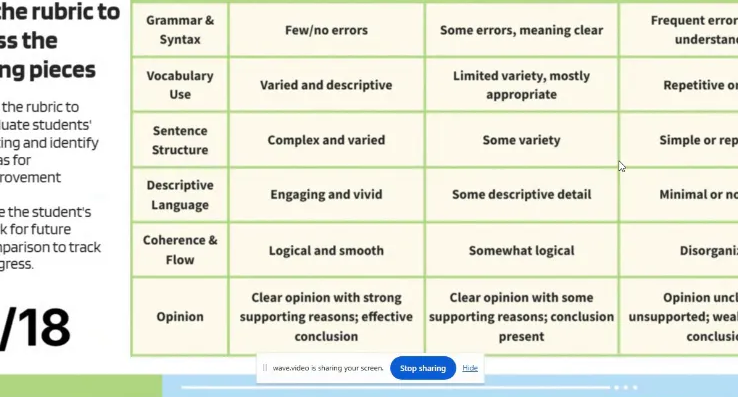
This rubric is from Teachers Together English and follows their writing curriculum.
2. Peer Review
Encouraging peer review sessions can also be beneficial. When students provide feedback to each other, they learn to critique constructively and gain different perspectives on their writing. This process can be guided by specific questions or prompts to ensure that feedback is focused and productive.
3. Regular Check-Ins
Conducting regular check-ins with students can help monitor their progress. These sessions can be informal discussions about their writing goals, challenges they face, and strategies to overcome them. This personalized approach can significantly enhance a student’s motivation and confidence in their writing abilities.
The Role of Imagination in Writing
Imagination plays a vital role in the writing process. Encouraging students to tap into their creativity can lead to more engaging and original writing. Here are some ways to foster imagination in writing:
1. Creative Prompts
Using creative writing prompts can spark students’ imaginations. For instance, prompts like “What if animals could talk?” or “Describe a day in the life of a superhero” encourage students to think outside the box and explore new ideas.
2. Visual Aids
Incorporating visual aids such as images, videos, or even storyboards can help students visualize their stories. This technique allows them to create more vivid descriptions and enhances their storytelling capabilities by connecting their writing to visual elements.
3. Role-Playing
Role-playing activities can also stimulate imagination. By acting out scenes or characters from their stories, students can gain a deeper understanding of their narratives and develop their writing skills in a fun, interactive way.
Utilizing Book Creator for Student Writing
Book Creator is a powerful tool that can enhance writing instruction. It allows students to create digital books, offering a platform for them to showcase their writing creatively. Here are some benefits of using Book Creator:
1. User-Friendly Interface
The intuitive design of Book Creator makes it accessible for all students, regardless of their tech skills. They can easily add text, images, and audio to their projects, making the writing process more engaging and interactive.
2. Encourages Creativity
Students can express their creativity through various formats, including comic books, illustrated stories, and informational texts. This flexibility allows them to explore different writing styles and genres, fostering a love for writing.
3. Easy Sharing and Collaboration
Book Creator facilitates sharing and collaboration among students. They can easily share their completed books with peers, teachers, and family members, creating a sense of accomplishment and encouraging positive feedback.
Future Developments in Writing Curriculum
The landscape of writing instruction is constantly evolving. As educators, it’s essential to stay informed about new developments and trends that can enhance writing curricula. Here are some future directions to consider:
1. Integration of Technology
With the increasing reliance on technology in education, integrating digital tools into writing instruction will become more prevalent. Utilizing platforms like Google Classroom, Padlet, and Book Creator can create a more interactive and engaging writing experience for students.
2. Focus on Personalization
Personalized learning will play a significant role in future writing curricula. Tailoring instruction to meet individual students’ needs and interests can enhance engagement and motivation. This approach will allow students to take ownership of their writing journey.
3. Emphasis on Collaboration
Collaboration among students, teachers, and even parents will be crucial in developing writing skills. Creating opportunities for peer feedback, group projects, and family involvement can foster a supportive writing community.
Conclusion and Call to Action
Teaching writing online, particularly to ESL students, requires creativity, adaptability, and a commitment to fostering a supportive learning environment. By integrating fun activities, providing constructive feedback, and utilizing tools like Book Creator, educators can enhance their writing instruction and engage students effectively.
As we look to the future, let’s continue to innovate and adapt our writing curricula to meet the evolving needs of our students. Encourage creativity, embrace technology, and foster collaboration to create a vibrant writing community. Start your journey today by exploring new writing resources and implementing these strategies in your online classes!
If you want to start teaching writing online, be sure to check out the curriculum from Teachers Together English! It’s a great place to start-they have not only writing curriculum specifically designed for online teaching to ESL students, but they also have assessments and structured lessons for regular ESL classes!
Leave a Reply